
Boutique Fashion vs Mass-Produced Clothing: What Truly Sets Them Apart?
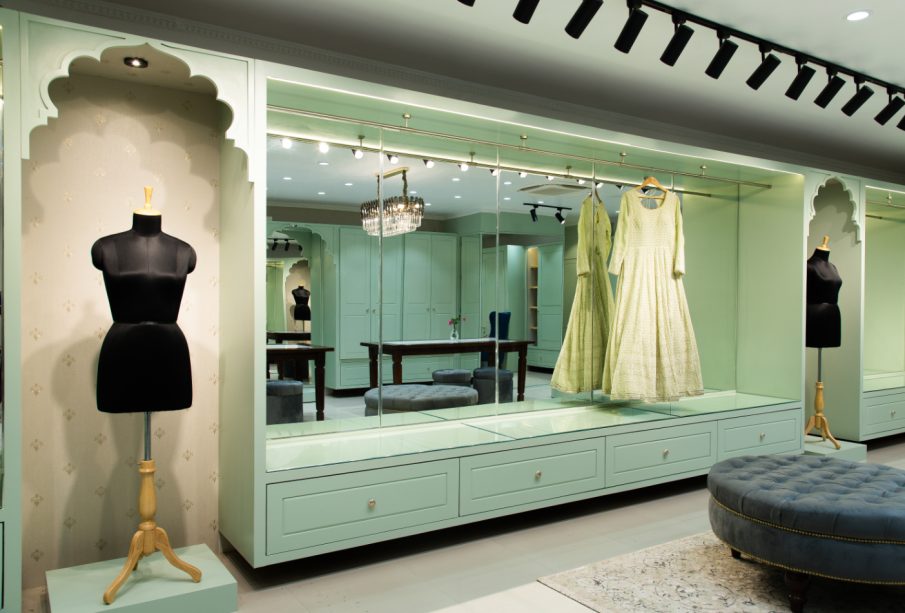
Fashion today exists on a spectrum—from handcrafted boutique pieces to factory-made garments sold at scale. While both serve the purpose of clothing, they differ significantly in design philosophy, quality, pricing, and overall experience. Understanding these differences helps consumers make more conscious and satisfying choices.
What Is Boutique Fashion?
Boutique fashion refers to clothing designed and produced in limited quantities, often by independent designers or small brands. These garments emphasize craftsmanship, individuality, and attention to detail.
Key Characteristics of Boutique Fashion
- Limited Production: Items are often made in small batches or even custom-made
- Unique Designs: Creative freedom allows for distinctive, standout pieces
- High-Quality Materials: Designers prioritize premium fabrics and finishes
- Personalized Experience: Many boutiques offer tailoring or customization
- Ethical Production: Often aligned with slow fashion and sustainable practices
Boutique fashion is less about trends and more about personal expression and artistry.
What Is Mass-Produced Clothing?
Mass-produced clothing, often associated with fast fashion, is manufactured in large quantities using standardized processes. These garments are widely available in retail chains and online platforms.
Key Characteristics of Mass-Produced Clothing
- High Volume Production: Designed for global distribution
- Trend-Driven Designs: Rapidly changing styles to match market demand
- Affordable Pricing: Economies of scale reduce costs
- Standardized Sizing: Limited customization options
- Quick Turnaround: Fast production cycles to keep up with trends
Mass-produced clothing focuses on accessibility, convenience, and affordability.
Key Differences Between Boutique and Mass-Produced Clothing
1. Design Philosophy
- Boutique Fashion: Prioritizes originality and artistic vision
- Mass Production: Focuses on replicating popular trends quickly
2. Quality and Craftsmanship
- Boutique: Hand-finished details, better stitching, durable fabrics
- Mass-Produced: Machine-made, often prioritizing speed over durability
3. Pricing
- Boutique: Higher price point due to labor and materials
- Mass-Produced: Budget-friendly and widely accessible
4. Sustainability
- Boutique: Often eco-conscious with ethical sourcing
- Mass-Produced: Frequently linked to overproduction and waste
5. Exclusivity
- Boutique: Unique pieces, limited availability
- Mass-Produced: Widely available, less individuality
Pros and Cons
Boutique Fashion
Pros:
- Unique and exclusive styles
- Superior craftsmanship
- Supports small businesses and designers
- Often more sustainable
Cons:
- Higher cost
- Limited availability
- Longer production times
Mass-Produced Clothing
Pros:
- Affordable and accessible
- Wide variety of styles
- Convenient shopping experience
Cons:
- Lower durability
- Environmental concerns
- Lack of uniqueness
Which One Should You Choose?
The right choice depends on your priorities:
- If you value individuality, quality, and sustainability, boutique fashion is ideal
- If you prioritize affordability, convenience, and trend variety, mass-produced clothing may suit you better
Many modern consumers are now blending both—investing in key boutique pieces while relying on mass-produced items for everyday wear.
The Rise of Conscious Consumerism
In recent years, awareness around environmental impact and ethical labor has shifted buying behavior. Consumers are increasingly asking:
- Who made my clothes?
- What materials were used?
- How long will this last?
This shift has boosted interest in boutique fashion, even as mass production continues to dominate globally.
Final Thoughts
Boutique fashion and mass-produced clothing represent two distinct approaches to style. One celebrates craftsmanship and individuality, while the other delivers affordability and accessibility. Neither is inherently “better”—the value lies in aligning your choices with your personal style, budget, and ethics.
FAQs
1. Is boutique fashion always more expensive?
Not always, but it generally costs more due to higher-quality materials, labor, and limited production.
2. Why is mass-produced clothing cheaper?
Large-scale manufacturing reduces costs through bulk production, automation, and lower material expenses.
3. Is boutique fashion more sustainable?
Often yes, as many boutique brands focus on ethical sourcing, small batches, and reduced waste.
4. Can mass-produced clothing be high quality?
Some brands offer good quality, but many prioritize speed and cost, which can affect durability.
5. Is boutique fashion only for luxury buyers?
No, boutique fashion spans a range of price points, including affordable independent brands.
6. How can I identify boutique clothing?
Look for limited collections, unique designs, handcrafted elements, and smaller brand labels.
7. Can I mix both styles in my wardrobe?
Absolutely. Combining boutique statement pieces with mass-produced basics is a practical and stylish approach.