
Common Dog Behavior Problems and Solutions
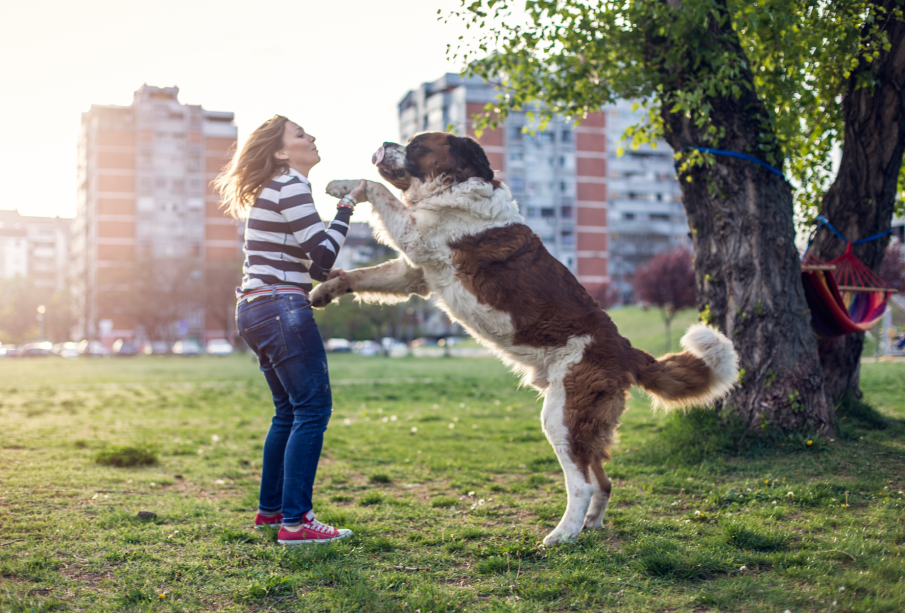
Dogs communicate through behavior, but not all behaviors are easy for humans to live with. Many common issues stem from unmet needs, confusion, or lack of training—not stubbornness. Understanding the root cause is the first step toward fixing the problem effectively.
Why Behavior Problems Happen
Before correcting any behavior, it’s important to recognize why it’s happening. Most issues fall into a few categories:
- Lack of exercise or mental stimulation
- Inconsistent training or unclear boundaries
- Anxiety or fear
- Natural instincts (like digging or chewing)
- Seeking attention
Addressing the cause—not just the symptom—leads to lasting results.
Excessive Barking
Barking is natural, but constant barking can become disruptive.
Common Causes
- Boredom or loneliness
- Alerting to sounds or strangers
- Anxiety or fear
Solutions
- Increase daily exercise and playtime
- Teach commands like “quiet” using rewards
- Avoid yelling, which can reinforce barking
- Remove triggers when possible (close curtains, reduce noise exposure)
Consistency is key—reward silence, not noise.
Chewing on Furniture or Objects
Chewing is especially common in puppies but can persist if not managed.
Common Causes
- Teething discomfort
- Boredom
- Stress or anxiety
Solutions
- Provide appropriate chew toys
- Rotate toys to keep them interesting
- Supervise and redirect immediately when chewing starts
- Use safe deterrent sprays on furniture
Never punish after the fact—dogs won’t connect it to the behavior.
Jumping on People
While often meant as a greeting, jumping can be overwhelming or unsafe.
Common Causes
- Excitement
- Seeking attention
Solutions
- Ignore jumping—no eye contact or touch
- Reward calm behavior (all four paws on the ground)
- Teach an alternative behavior like “sit”
- Ensure guests follow the same rules
Dogs repeat what gets attention, even negative attention.
Pulling on the Leash
Leash pulling turns walks into a struggle rather than enjoyment.
Common Causes
- Excitement
- Lack of leash training
- Desire to explore quickly
Solutions
- Stop walking when the dog pulls
- Resume only when the leash is slack
- Use positive reinforcement when walking calmly
- Consider a front-clip harness for better control
Patience during walks pays off over time.
Aggression Toward People or Other Dogs
Aggression is a serious issue that requires careful handling.
Common Causes
- Fear or insecurity
- Lack of socialization
- Territorial behavior
Solutions
- Avoid punishment—it can worsen aggression
- Gradually expose your dog to triggers in controlled settings
- Reward calm, non-aggressive behavior
- Consult a professional trainer or behaviorist if needed
Early intervention is crucial for safety.
Separation Anxiety
Dogs with separation anxiety struggle when left alone.
Signs to Watch
- Destructive behavior
- Excessive barking or whining
- Attempts to escape
Solutions
- Practice short departures and gradually increase time away
- Avoid dramatic goodbyes and greetings
- Provide interactive toys during your absence
- Create a safe, comfortable space
In severe cases, professional guidance may be necessary.
Digging in the Yard
Digging is a natural instinct but can damage your garden.
Common Causes
- Boredom
- Hunting instincts
- Trying to cool down
Solutions
- Provide a designated digging area
- Increase physical activity
- Block access to problem spots
- Offer shaded areas in hot weather
Redirecting the behavior works better than trying to eliminate it completely.
Begging for Food
Begging can quickly become a habit if reinforced.
Common Causes
- Learned behavior (being fed from the table)
- Hunger or curiosity
Solutions
- Never feed from the table
- Feed your dog before your meals
- Ignore begging behavior completely
- Reward your dog for staying in their designated spot
Consistency among all family members is essential.
Conclusion
Behavior problems in dogs are rarely about disobedience—they’re usually a sign that something needs attention. With patience, consistency, and a clear understanding of your dog’s needs, most issues can be corrected effectively. A well-behaved dog isn’t just easier to live with—it’s also happier and more secure.
FAQ: Common Dog Behavior Problems
1. Can behavior problems be completely eliminated?
Many can be significantly reduced or managed with proper training, though some instinctive behaviors may never fully disappear.
2. At what age should I start training my dog?
Training can begin as early as 8 weeks old. Early training helps prevent many behavior issues.
3. Are certain breeds more prone to behavior problems?
Some breeds have stronger instincts (like herding or guarding), but behavior largely depends on training and environment.
4. Should I punish my dog for bad behavior?
No. Punishment can create fear and worsen problems. Positive reinforcement is more effective.
5. How long does it take to correct a behavior issue?
It depends on the behavior and consistency of training. Some improvements can be seen in weeks, others may take months.
6. When should I seek professional help?
If behavior involves aggression, severe anxiety, or doesn’t improve with basic training, consult a professional trainer.
7. Can lack of exercise cause behavior problems?
Yes. Many issues like barking, chewing, and digging stem from excess energy and boredom.