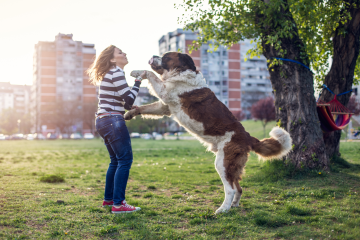
How to Build a Strong Bond with Your Dog
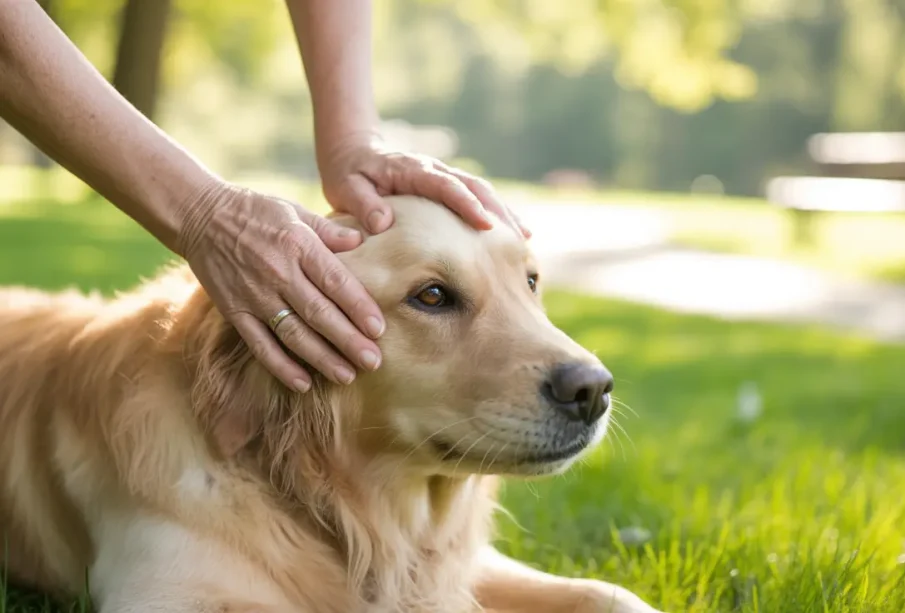
Building a deep, trusting relationship with your dog isn’t just about companionship—it’s about creating a lifelong partnership rooted in communication, respect, and care. Dogs are naturally social animals, and when you invest time and intention into your bond, you’ll see it reflected in their behavior, loyalty, and happiness.
Why Bonding with Your Dog Matters
A strong bond improves not only your dog’s emotional well-being but also their behavior and responsiveness. When your dog trusts you:
- Training becomes easier
- Anxiety and stress are reduced
- Behavioral issues decrease
- Your dog feels secure and confident
Ultimately, a well-bonded dog is a happier and more balanced companion.
Spend Quality Time Together
Consistency and presence are the foundation of connection. Dogs value shared experiences more than anything.
Simple Ways to Spend Time
- Go for daily walks (not rushed)
- Play interactive games like fetch or tug
- Sit together during quiet moments
- Explore new environments together
Even 15–20 minutes of focused attention daily can significantly strengthen your bond.
Use Positive Reinforcement
Dogs respond best to encouragement rather than punishment. Reward-based training builds trust and reinforces good behavior.
Effective Techniques
- Treats for desired actions
- Verbal praise like “Good boy/girl!”
- Gentle petting and affection
- Clicker training for precision
Avoid harsh corrections, as they can damage trust and create fear.
Learn Your Dog’s Body Language
Understanding how your dog communicates is key to a deeper connection.
Signs to Watch For
- Wagging tail: Not always happiness—observe speed and posture
- Ears position: Forward means alert; back can indicate fear or submission
- Eye contact: Soft eyes show comfort; staring may signal tension
By responding appropriately, you show your dog that you understand and respect their feelings.
Establish a Routine
Dogs thrive on predictability. A consistent routine builds security and trust.
Important Routine Elements
- Feeding at the same time daily
- Regular walks and playtime
- Consistent sleep schedule
- Training sessions at fixed times
When your dog knows what to expect, they feel safe and relaxed.
Train Together Regularly
Training isn’t just about obedience—it’s a bonding activity.
Benefits of Training
- Strengthens communication
- Builds mutual respect
- Keeps your dog mentally stimulated
- Reinforces your role as a reliable leader
Keep sessions short, fun, and rewarding.
Show Physical Affection
Physical touch releases calming hormones in both you and your dog.
Ways to Connect Physically
- Gentle petting
- Belly rubs (if your dog enjoys them)
- Grooming sessions
- Sitting close together
Always pay attention to your dog’s comfort level—every dog has different preferences.
Engage in Play and Exercise
Playtime is one of the most powerful bonding tools.
Types of Activities
- Fetch and frisbee
- Tug-of-war
- Agility exercises
- Hide-and-seek
These activities not only strengthen your bond but also keep your dog physically and mentally healthy.
Be Patient and Consistent
Trust takes time. Dogs, especially rescues or those with past trauma, may need extra patience.
- Avoid rushing progress
- Stay calm during mistakes
- Be consistent with commands and behavior
- Celebrate small improvements
Consistency builds reliability, and reliability builds trust.
Provide Mental Stimulation
A bored dog can become frustrated or destructive. Engaging their mind deepens your relationship.
Ideas for Mental Enrichment
- Puzzle toys
- Scent games
- Learning new tricks
- Interactive feeders
Mental challenges make your dog feel accomplished and connected to you.
Respect Your Dog’s Individual Personality
Not all dogs bond the same way. Some are highly affectionate, while others are more independent.
- Adapt your approach based on their temperament
- Don’t force interaction
- Observe what makes your dog happiest
Respecting their individuality strengthens mutual trust.
Conclusion
Building a strong bond with your dog isn’t about grand gestures—it’s about consistent care, understanding, and shared moments. When you invest in your relationship, your dog responds with loyalty, affection, and unwavering companionship.
FAQ: Building a Strong Bond with Your Dog
1. How long does it take to build a strong bond with a dog?
It varies depending on the dog’s personality and background. Some dogs bond within days, while others may take weeks or months.
2. Can older dogs still form strong bonds?
Yes, absolutely. Older dogs can form deep attachments with patience, consistency, and positive interactions.
3. What are signs that my dog trusts me?
Signs include relaxed body language, following you around, making eye contact, and seeking affection.
4. Does training really help bonding?
Yes. Training strengthens communication and builds mutual respect, which enhances your connection.
5. How often should I play with my dog?
Daily playtime is ideal, even if it’s just 15–30 minutes of focused interaction.
6. Can too much affection spoil a dog?
Not if balanced properly. Affection should be combined with structure and training for best results.
7. What should I avoid when building a bond?
Avoid harsh punishment, inconsistency, ignoring your dog’s signals, and lack of engagement.